Fernando Mastretta
Barcelona, 1961
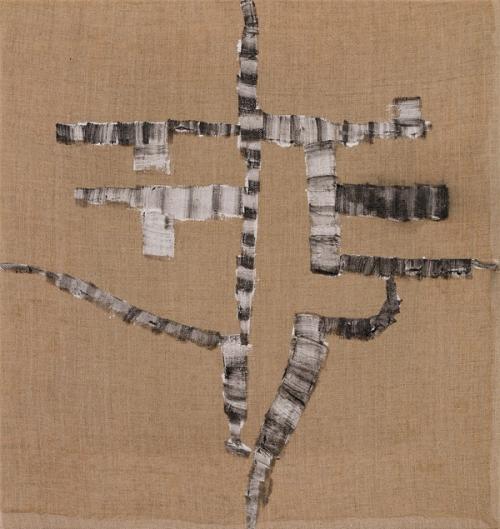
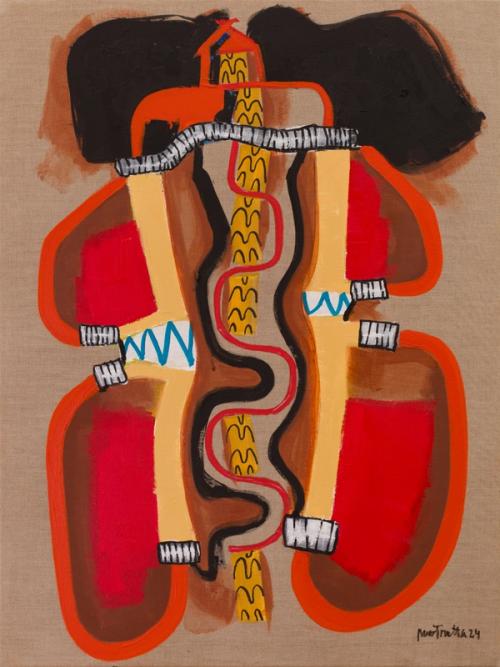
Fernando Mastretta develops a painting practice in which the canvas becomes a space for sedimentation, where personal experience, visual memory, and the history of painting intersect. His work does not stem from direct quotations or explicit references, but rather from the transformation of these influences into structures, rhythms, forms, and tensions of their own. Over the years, Mastretta has cultivated a way of working based on accumulation, trial, and refinement, as well as on the use of rules and repetitions that he establishes in advance and then pushes to their limits. These rules do not seek to close down the meaning of the painting, but rather to create a framework from which the work can evolve and open itself up to different possibilities.
Memory plays a central role in this process. Mastretta understands painting as a way of making visible an accumulated experience, both personal and collective, which over time has moved from more narrative and specific approaches towards increasingly evocative and abstract forms. Yet his painting does not settle definitively in either of these territories. Figuration and abstraction coexist and remain in tension, allowing images to emerge, transform and disappear without ever becoming completely defined. In this way, each work becomes an open space for association and for the viewer’s experience.
Formally, his painting is characterized by a constant dialogue between control and physicality. Dense and translucent layers shift or fade, and structures that organize the composition while simultaneously putting it into question come together to create works that are rigorous but never rigid. Accident and materiality play as important a role as structure and planning. This coexistence of order and impulse runs throughout his practice, allowing emotion to emerge from within the working process itself, rather than being imposed upon it. Also nourished by music, reading, poetry, travel, and everyday experience, his painting can thus be understood as a continuous process of learning and transformation, in which each work carries what came before while opening the way towards what has yet to be discovered.
Memory plays a central role in this process. Mastretta understands painting as a way of making visible an accumulated experience, both personal and collective, which over time has moved from more narrative and specific approaches towards increasingly evocative and abstract forms. Yet his painting does not settle definitively in either of these territories. Figuration and abstraction coexist and remain in tension, allowing images to emerge, transform and disappear without ever becoming completely defined. In this way, each work becomes an open space for association and for the viewer’s experience.
Formally, his painting is characterized by a constant dialogue between control and physicality. Dense and translucent layers shift or fade, and structures that organize the composition while simultaneously putting it into question come together to create works that are rigorous but never rigid. Accident and materiality play as important a role as structure and planning. This coexistence of order and impulse runs throughout his practice, allowing emotion to emerge from within the working process itself, rather than being imposed upon it. Also nourished by music, reading, poetry, travel, and everyday experience, his painting can thus be understood as a continuous process of learning and transformation, in which each work carries what came before while opening the way towards what has yet to be discovered.
Available artworks
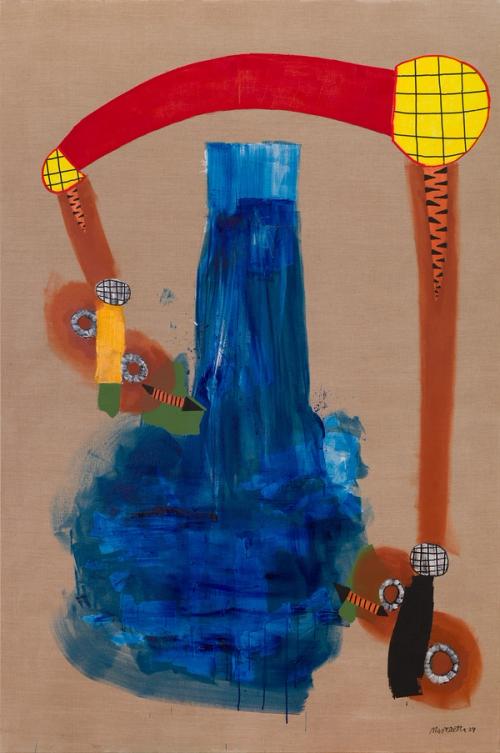
Un sendero nuevo hacia la cascada, 2024
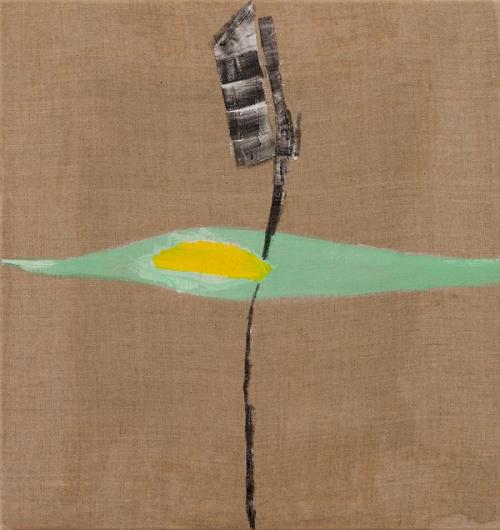
Dispositivo de emisión, 2024
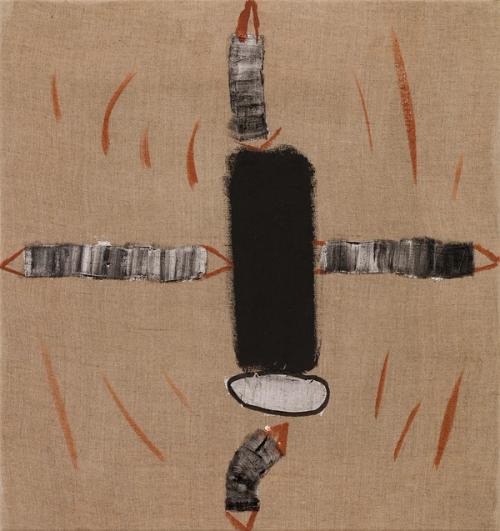
Vías de diálogo, 2024
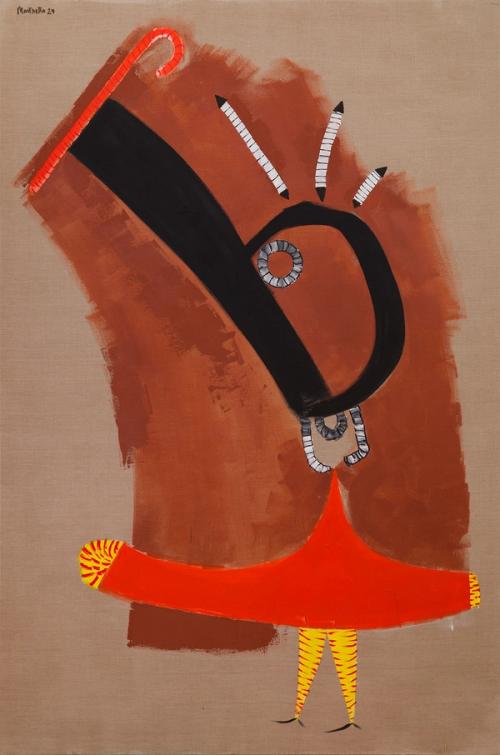
Aprendiendo a volar, 2024
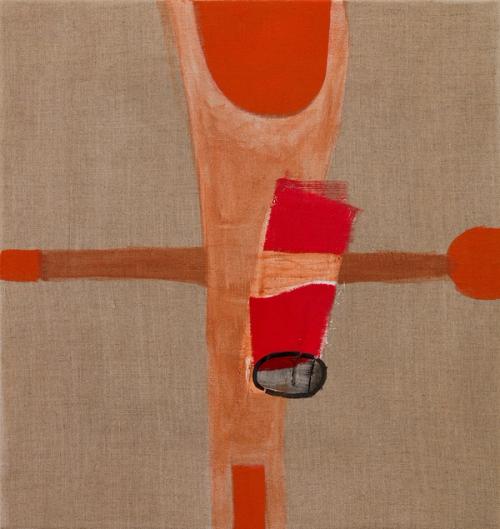
Maternidad migratoria, 2024
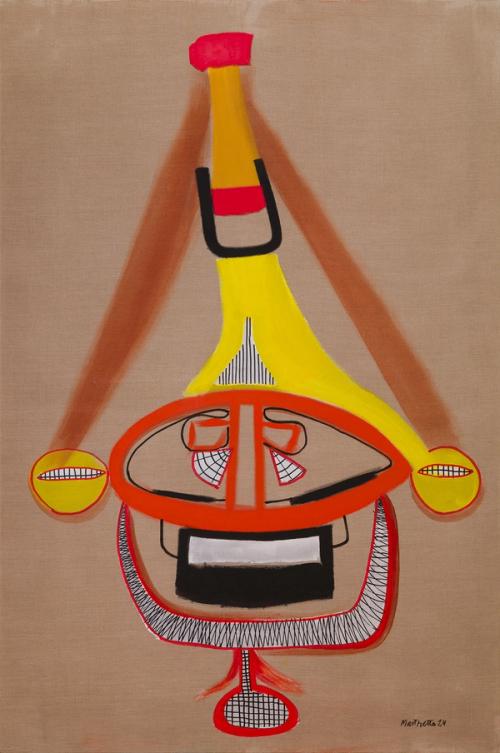
Tótem de guía para las tortugas en el desove, 2024
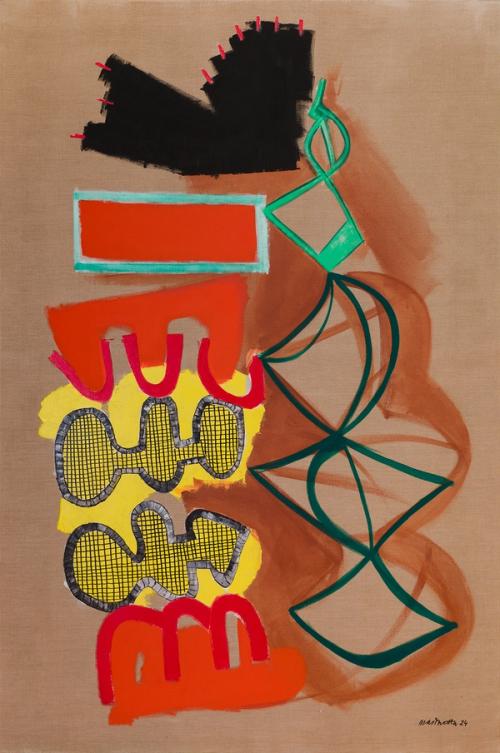
Presencia vegetal y vestigios, 2024
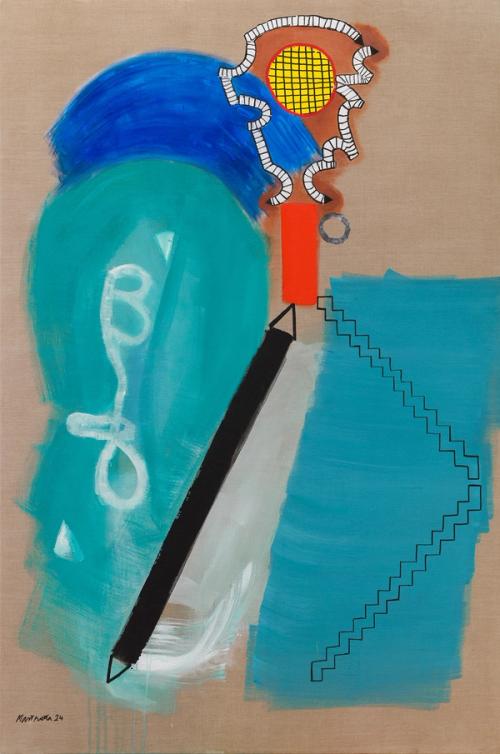
Opciones de tránsito a la sabiduría, 2024
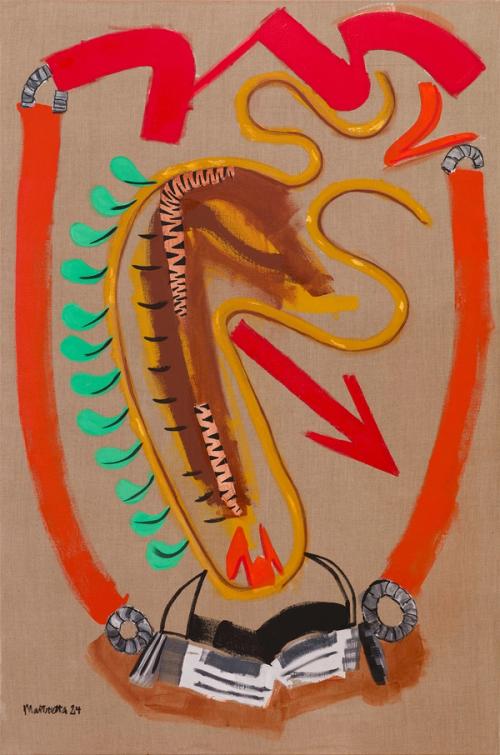
La Herradura, Polanco, 2024
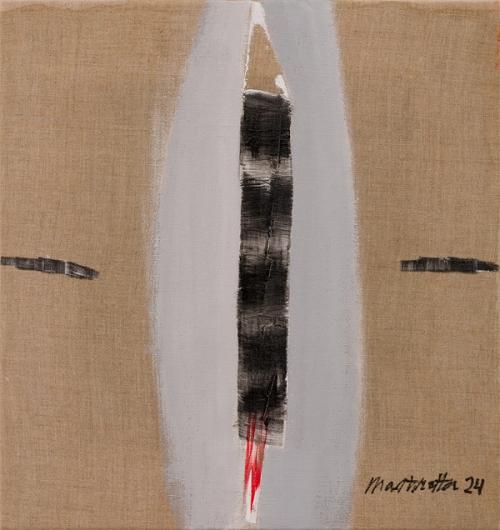
Eyección sin género,2024
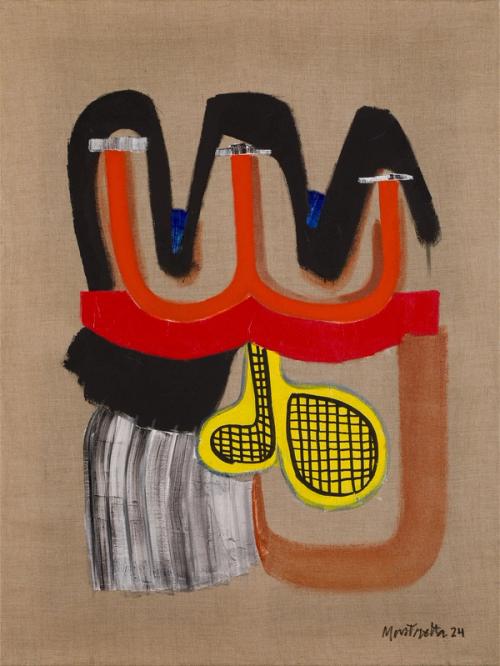
El vigilante del Pacífico, 2024
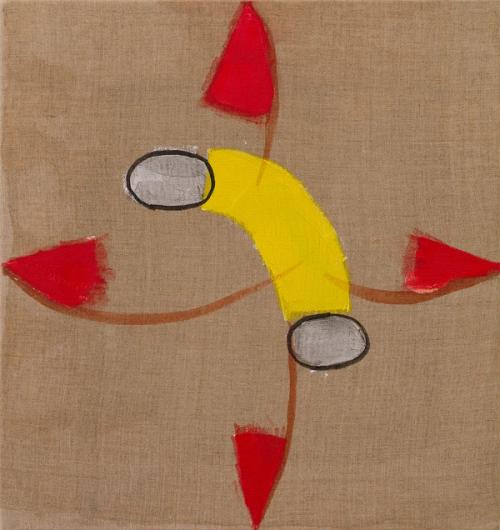
Sin dirección a casa, 2024